- Home
- Review

Tower rush game real or fake Expert review and warnings - gameplay & safety
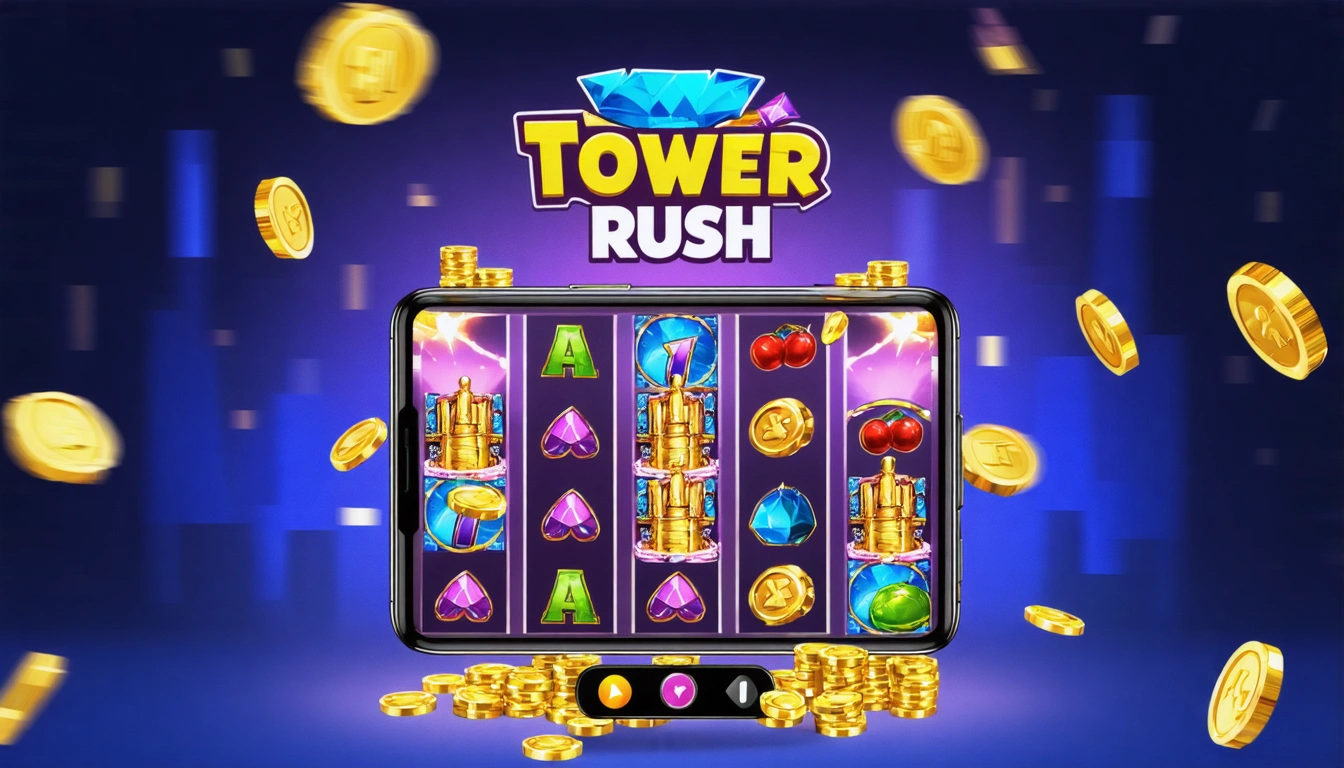
If you’ve been chasing player reports, the big thing is whether the version you find sits behind a licensed provider or a sketchy mirror site, since that determines fairness more than hype. A common line you’ll see typed is ; tower rush is real or fake, and real-play sessions and casino demos point to an RTP roughly in the 94–97% band with medium-to-high variance; the title also sometimes hands out free spins that stretch short runs into longer swings.
| Metric | Typical Range |
|---|---|
| RTP | 94% - 97% |
| Volatility | Medium–High |
| Minimum Bet | $0.10 - $1 |
| Session Pace | Fast swings, bonus-led bursts |
Start small and plan sessions: many casinos list minimums around $0.10–$1 per spin so your bankroll of $50–$100 needs strict stop-loss rules to handle the higher variance. When players ask tower rush is real or fake most experienced grinders advise checking provider certificates and running demo sessions to see hit frequency, and watch for big multipliers that spike volatility fast. Also keep an eye on casino-side extras like bonuses, promo codes and the usual KYC checks plus deposit and withdrawal speed and support responsiveness before staking heavy.
Mechanics feel stacked toward bonus triggers where wilds appear often enough to change a string of spins and scatters unlock the more lucrative rounds that define hot streaks. Across community threads some players still debate tower rush real or fake, while others post short session logs so you can eyeball variance yourself instead of trusting marketing. Before depositing, just ask support directly "is tower rush real or fake" and expect links to RNG audits or lab reports if the casino is above board; if they dodge, treat it as higher risk.
Play it like a high-variance slot: set tight session loss limits, bank small wins, and avoid chasing long cold stretches; live dealers won’t apply here since it’s a slot, but casino rules, payout reliability and support quality will. Demo first, use modest promos rather than full buy-ins, and move to licensed sites with quick withdrawals and clear KYC policies – that’s the clearest way to tell if your play experience is real or a red flag.
Tower Rush: Real or Fake?
The most practical way to judge withdrawal and verification reality for a branded title is to test procedural consistency, because many disputes stem from process, not the game itself. Players who search for reassurance often end up asking about claims like ; tower rush real or fake; as shorthand for whether the operator honors payouts without endless paperwork. Genuine setups show a clear KYC checklist, estimated payout windows, and a straightforward appeals path rather than ambiguous requirements that change with each ticket.
Beyond the marketing, look closely at the verification triggers and timing that determine whether a cashout clears or stalls – common requests include ID, proof of address, and source-of-funds evidence, which are normal but can be abused as delay tactics. Regulators often require documented policies so that when someone types tower rush is real or fake they can compare actual withdrawal times to the published terms. A short, transparent statement of hold periods and any fees, together with an audit trail from payment processors, is a strong indicator the operator is legitimate rather than evasive.
Watch for patterns: repeated requests for new documents after initial approval, shifting justification for declines, or disproportionate bonus wagering rules that lock funds behind conditions are frequent red flags. Real casinos typically let you perform a small test withdrawal that clears in the advertised timeframe and will not demand unusual banking access or remote software installs. Customer support transcripts and independent player reports are useful evidence when verifying whether problems are isolated incidents or a systemic issue that inhibits payouts.
When assessing whether to commit larger sums, treat verification like a skill: follow required steps promptly, keep copies of all submissions, and choose widely recognized payment methods with transparent dispute mechanisms so you can escalate effectively if needed; this method helps answer simple community questions such as is tower rush real or fake by producing verifiable outcomes. A cautious trial withdrawal combined with clear KYC policy and responsive support is the single best test of payout reality in any casino context, and it will reveal whether promises hold up in practice.
Tracing the origin and timeline of public claims about withdrawal and verification for Tower Rush
The first public whispers about cashout delays and verification hoops around Tower Rush reached small casino forums and Twitch chat logs in mid-2018, where players asked blunt questions like "is tower rush real or fake" while sharing screenshots of long pending withdrawal requests. Early claims were anecdotal: single-account reports of extended identity checks and mismatched payout explanations, which seeded debate without formal evidence and prompted the first threads that tracked timestamps for KYC responses.
Through late 2019 and into 2020 the conversation matured as aggregated complaint threads compiled repeated patterns: identical document requests, multiple-step verification cycles, and sometimes third-party payment processor holds. Investigative posts compared timestamps, noting when support first acknowledged a ticket versus when funds finally cleared; those timelines showed clustering around high-volume promotional periods. Forums and a few streamers highlighted how live dealers and real-time chat escalations sometimes led to faster reconciliation, suggesting inconsistent internal prioritization rather than outright fraud.

By 2021 consumer groups and regulatory complaint portals began to log formally similar cases and the narrative shifted from isolated anecdotes to reproducible sequences, prompting skeptics and advocates to ask "tower rush is real or fake" in more forensic threads. Independent testers ran controlled deposit-withdraw cycles to measure hold lengths and documented increases in verification stringency tied to both bonus-triggered withdrawals and unusually large wins, which forced operators to publish clearer KYC timelines.
From 2022 onward public claims evolved into a mapped timeline of operator responses, changes in payout windows, and repeated updates to document verification rules, leaving the community asking "tower rush real or fake" but with more empirical follow-up than before. Today the origin story reads like a progression: anecdote, aggregation, independent testing, regulatory reporting, and incremental policy changes that reduced ambiguity around when and why withdrawals are held – a useful roadmap for players needing to validate their own payout journeys.
Verify recorded gameplay: methods for authenticating videos
In withdrawal disputes, compliance teams must rapidly determine whether a submitted clip is the original capture or a manipulated file, because that decision directly affects whether funds are released or reversed; players sometimes upload edited footage to argue a payout was mishandled is tower rush real or fake. Forensic analysts start with file-level evidence–container metadata, creation and modification timestamps, embedded application tags and checksums–then look for signs of re-encoding, inconsistent bitrates or encoder signatures that betray post-production edits.
The next layer ties the clip to backend records: correlating session identifiers, round numbers and bet values from the visible UI with server-side logs and RNG event streams can prove a one-to-one match between the frames and a recorded payout. Audio-video synchronization and waveform fingerprinting are also useful, since server-broadcast audio or game sound effects should align with the uploaded file; mismatches in frame rate, dropped frames, or shifted audio peaks often indicate tampering rather than genuine capture of the original round.
When technical traces conflict, investigators use timeline reconciliation and timestamp chaining, comparing NTP-synchronized server logs, payment timestamps and the wallet transaction ID to establish a continuous chain of custody and answer tower rush is real or fake. Additional methods include perceptual hashing against archived streams to detect near-duplicates, forensic watermark detection where available, and visual inspection for overlay inconsistencies or UI skin differences that occur if someone stitched footage from another session.
Final adjudication combines automated detection with manual review: preserved originals, recorded broadcast archives, CCTV of the player area when relevant, and payment processor records are compiled so the operations team can document why they consider the evidence authentic or fraudulent and record the outcome for regulators; this comprehensive approach allows the casino to state tower rush real or fake with traceable proof and to enforce reversal or payout policies while maintaining audit-ready logs.
Compare eyewitness reports with developer or publisher statements
Eyewitness accounts from players frequently describe prolonged withdrawal holds, repeated identity checks and account freezes that persist beyond advertised timelines; some forum threads even carry the blunt headline is tower rush real or fake as users post screenshots of pending withdrawals stretching into weeks. These firsthand reports emphasize timestamps, customer support transcripts and bank notices as evidence that verification workflows are often manual, opaque and prone to escalation when large sums or bonus-related wins are involved. Assessing those claims requires careful attention to what players can document versus perception driven by isolated high-impact losses.
Developers and publishers typically counter with formal statements that outline anti-fraud, AML and KYC procedures, often citing standard processing windows and automated screening tools that reduce human intervention. Their messaging stresses a commitment to paying legitimate wins and references published policies on account verification, maximum payout thresholds and dispute resolution, while framing extended holds as exceptions tied to compliance rather than routine practice. Comparing the two perspectives surfaces patterns where corporate timelines and advertised customer experience diverge from the variability reported in practice.
Independent comparison of timestamps, support ticket logs and published processing promises shows recurring discrepancies: eyewitness logs often reveal multiple document resubmissions and contradictory instructions, whereas developer statements claim single-step verification and completion within a stated period, prompting debate under the question tower rush is real or fake among affected players. The technical reality behind holds–risk scoring, manual review queues and inter-departmental escalations–explains some delay, but the magnitude and frequency reflected in user reports suggest gaps between policy and execution that are measurable and should be auditable.
In sum, reconciling player testimony with publisher claims on verification and withdrawal requires transparent evidence: batch processing timelines, audit logs and regulator findings rather than public relations text, which is why independent threads asking tower rush real or fake persist and grow. For a rigorous comparison, stakeholders must map documented delays against stated SLAs and make verification procedures observable enough that community-sourced eyewitness data can be weighed against official accounts.
Conclusion
Performing technical forensics on servers, files, and network logs helps set realistic player expectations for payouts and reveals how variance actually feels during play. When validating server-side payout records, file hashes, and event timelines, investigators look for missing audit trails and rollback indicators; tower rush is real or fake.
Focus on consistent timestamps, replicated log entries, and network captures that show the sequence of bets and responses so you can watch for latency spikes or unexplained session resets. A careful timeline review and packet analysis can expose engineered behavior or confirm normal RNG operation; tower rush real or fake.
Always choose licensed casinos, verify certificate chains and contact details, and watch for safety signals such as clear audit reports, accessible support, and listed regulatory links. Preserve chain-of-custody for evidence and document account actions and file integrity checks; is tower rush real or fake. Practice responsible play by setting deposit and loss limits, using stop-loss rules, taking cooldown breaks, and keeping sessions conscious.
In short, expect payouts to follow verified records, feel variance as part of normal RNG behavior, and watch timestamps, session continuity, and network anomalies during sessions. If you pursue further investigation, consider licensed platforms first and casually explore bonuses, promo codes, and new slots to compare transparency and RTP data.
Questions and Answers:
Question: Is Tower Rush a legitimate title or a scam?
Answer: There is no widely recognized official release; many uploads are user-made or misleading. If you ask is tower rush real or fake, verify the publisher name, check multiple user reviews, and watch gameplay footage before downloading.
Question: How can I tell if a Tower Rush download is safe?
Answer: Only download from official storefronts or the publisher's website and avoid unknown installers. Use antivirus to scan files and read recent player comments to see if others report malware, and if you search tower rush real or fake you'll find reports and discussions that help assess safety.
Question: Are in-game purchases for Tower Rush usually legitimate?
Answer: Purchases made through established app stores follow their billing and refund systems, but cloned or unofficial versions may misuse payment details. Check the developer contact on the store page and scan reviews for repeated complaints before entering payment information.
Question: What should I do if I bought a fake version of Tower Rush?
Answer: Refund options depend on the storefront's policies and the payment method you used. If you need to show tower rush is real or fake, keep receipts and screenshots to support your claim when contacting customer support.
Question: Where is the best place to find reliable feedback about Tower Rush?
Answer: Look for long-form reviews on reputable websites, video walkthroughs, and technical forums where players share detailed play sessions and system notes. Cross-check several sources to build a consistent picture before trusting any single download or claim.
